Tag: sinuses

  • How to Use onions in your socks for better sleep when coughing

    How to Use onions in your socks for better sleep when coughing

    Have you thought about using onions in a special way to sleep better when you cough? This old trick helps with coughing and makes you sleep better. Putting sliced onions in your socks might help use onions’ healing powers.

    In this article, we’ll look into why this remedy works. We’ll talk about how to use it and its benefits for better sleep and less coughing. We’ll see what makes onions so good for this.

    Key Takeaways

    • Using onions in socks can be a natural remedy for coughing.
    • This traditional remedy may promote better sleep quality.
    • The natural healing properties of onions can provide relief.
    • We’ll explore the science behind this unique application.
    • Potential benefits include improved sleep and reduced coughing.
    onions

    The Science Behind the Onion Sock Remedy

    Putting onions in socks might seem strange. But, there’s a cool science behind it. Onions have been used for ages for health. Putting them in socks is thought to help in many ways.

    How Onions Work as Natural Healers

    Onions have antimicrobial properties. They can fight infections and help with coughs. The sulfur in onions does the trick. When onions are cut or crushed, these compounds spread out.

    The Foot-Body Connection in Traditional Medicine

    In old medicine, the feet are key to health. People think putting onions on the feet can help the body. It’s because the feet have special points that connect to our organs.

    What Modern Research Says

    Studies back onions’ antimicrobial powers. But, there’s not much on onion socks. A

    “study in the Journal of Agricultural and Food Chemistry showed onion extracts fight some bacteria.”

    This doesn’t prove onion socks work. But, it shows onions can be good for us in some ways.

    Learning how onions heal and their effect on the feet helps us get the idea behind this old remedy.

    Understanding Why Onions in Socks Might Help with Coughing

    Looking for new ways to stop coughing? The onion sock remedy is an interesting choice. It’s not common, but it comes from old medicine and onions’ healing powers.

    Antimicrobial Properties of Onions

    Onions have antimicrobial properties. They can fight off the causes of coughing. Onions have compounds that kill bacteria and viruses.

    • Quercetin, a flavonoid with anti-inflammatory properties
    • Allicin, a compound known for its antimicrobial activity
    • Other sulfur compounds that contribute to onion’s health benefits

    These compounds can lessen coughs by tackling the cause, like infections.

    Absorption Theory Through Feet

    The feet can absorb things through the skin, which then goes into the blood. The feet have many sweat glands and pores. This makes them good for absorbing stuff.

    Historical Use of This Remedy

    Onions have been used for medicine for centuries. Different cultures used them in various ways. Using onions in socks is part of using veggies for health.

    Knowing the history and how it works helps people decide if it’s good for them.

    When to Try the Onion Sock Method

    Understanding when to use the onion sock remedy is key. It works best at certain times and for specific coughs. The method’s success depends on when you use it and the type of cough you have.

    Ideal Timing for Maximum Benefits

    For the best results, use the onion sock remedy before bed. This lets your body soak up the onion’s benefits all night. It might help you sleep better and ease coughing.

    Types of Coughs This Method May Help With

    The onion sock method is great for coughs from colds or flu. These coughs come from inflammation and infection in your airways. Onions’ antimicrobial properties might lessen these symptoms.

    • Coughs linked to respiratory infections
    • Dry, persistent coughs
    • Coughs that get worse at night

    When to Seek Medical Attention Instead

    Even though the onion sock remedy is helpful, sometimes you need a doctor. If your cough is severe, you can’t breathe well, or you have a high fever, chest pain, or cough up blood, get help right away.

    onion sock remedy for cough

    Selecting the Right Onions for Your Socks

    Choosing the right onion is key for this remedy to work well. The onion type affects how well it helps with coughing and sleep.

    Best Onion Varieties for This Remedy

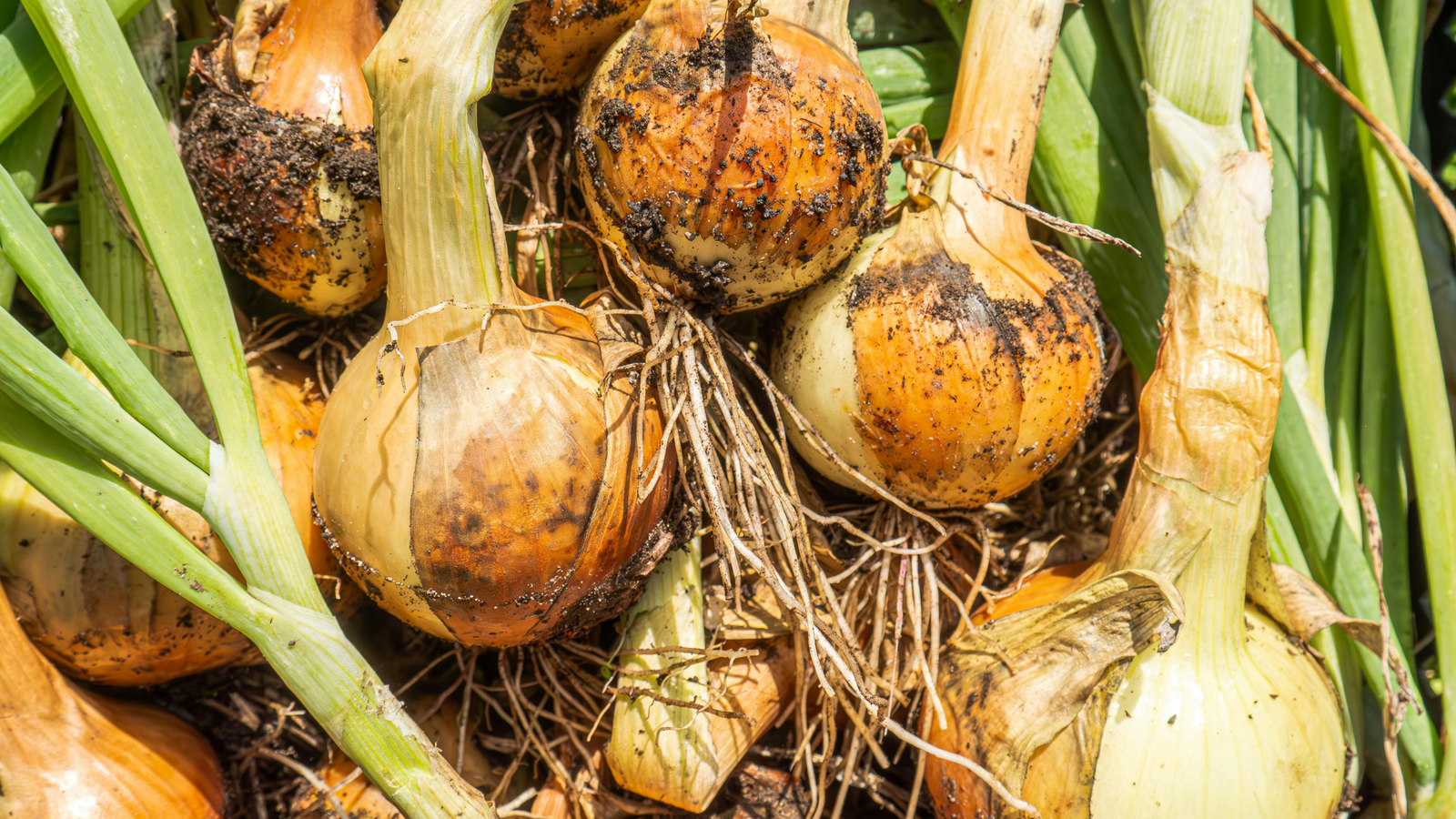
    Onions come in different types, each with its own benefits. Yellow onions are good because they fight off germs well. Red onions have more antioxidants, which can help your health even more.

    onion varieties

    Organic vs. Conventional Onions

    Choosing between organic and regular onions matters for health remedies. Organic onions don’t have harmful chemicals. But, regular onions can work too if you wash them well.

    Freshness Factors to Consider

    The onion’s freshness is very important. Fresh onions work better. Choose onions that are firm and look good.

    By picking the right onion and making sure it’s fresh, you can make the onion sock remedy better.

    Step-by-Step Guide to Preparing Onions for Your Socks

    To get the most from onion sock therapy, start by preparing the onions right. Follow our easy guide to do it well.

    Proper Cutting Techniques

    How you cut onions matters a lot. To get the most benefits, peel the onion and slice it thinly. This way, you don’t crush the cells, keeping the onion strong.

    Also, use a sharp knife to cut. This keeps the onion cells intact, keeping its healing powers strong.

    Optimal Thickness and Size

    The onion slices should be thin and the right size. Thin slices let the onion’s healing compounds out better. Try for slices about 1/8 inch thick.

    The slices should fit your feet well but not be too big. Usually, 2-3 slices per foot work best.

    Preparing the Feet Before Application

    Before putting on the onion slices, clean your feet well. Wash them with soap and water, then dry them off. This makes sure the onion slices stick and work right.

    Also, warm your feet a bit before applying. This helps your blood flow, making the onion’s benefits soak in better.

    By following these steps, you’ll get your onions and feet ready for the onion sock remedy. This way, you’ll get the most benefits for your cough.

    How to Apply the Onion Sock Treatment Correctly

    To get the most out of the onion sock treatment, it’s important to apply it right. You need to follow a few steps. These steps help the onion’s good stuff get into your skin on your feet.

    Positioning the Onion Slices

    Start by putting thin onion slices on your feet’s soles. Focus on the arches and heels. These spots have lots of pores. Pores help the onion’s good stuff get into your skin better.

    Choosing the Right Socks

    The socks you wear matter a lot. Choose clean, breathable socks made from natural fibers like cotton or wool. These let air in and keep moisture out. This helps stop bad stuff from growing.

    Securing the Onions in Place

    To keep the onion slices in place, wear snug socks over them. This keeps them from moving around.

    For Adults

    Adults can just wear comfy socks that fit well over the onions. Make sure the socks aren’t too tight. Too tight can cut off blood flow.

    For Children

    For kids, you might need to use gentle medical tape to hold the onions in place. Put the tape on gently before they wear their socks. Make sure the tape isn’t too tight or uncomfortable.

    Application TipsFor AdultsFor Children
    Sock MaterialCotton or WoolCotton or Wool
    Securing MethodSnug-fitting socksGentle medical tape and snug-fitting socks
    Onion PlacementOn the soles, focusing on arches and heelsOn the soles, focusing on arches and heels

    Common Misconceptions About Using Onions for Health Benefits

    There’s a lot of wrong info about onions for health. Let’s clear up the confusion. The onion sock remedy has been around for ages. But, many people don’t know if it really works or if it’s safe.

    Separating Fact from Fiction

    One big myth is onions can cure a cough in one night. Onions do have good stuff in them, but they’re not magic. Realistic expectations are important; this remedy might help symptoms slowly, not right away.

    Another myth is onions work through the skin. Some studies say yes, but not all agree. It’s important to know this remedy might work in different ways, like the placebo effect or because of onions’ good stuff in the air.

    What to Realistically Expect

    When using onions for health, it’s key to have realistic expectations. This remedy might make coughs or other symptoms less bad over time. But, it’s not a replacement for doctor’s care, for serious or long-lasting problems.

    Addressing Safety Concerns

    Safety worries, like skin problems or allergies, are real. To stay safe, use fresh onions and clean socks. Watch your skin for any bad reactions. Stop using it if you get any problems.

    Safety PrecautionBenefit
    Using fresh onionsReduces risk of infection
    Cleaning socks before useMinimizes skin irritation
    Monitoring skin reactionsPrevents allergic reactions
    onion health benefits misconceptions

    Enhancing Your Sleep Environment While Using Onion Socks

    Using onion socks can help you sleep better. But, making your bedroom better is key. A good bedroom helps you sleep well.

    Creating an Ideal Bedroom Setting

    Think about room temperaturelighting, and noise levels for a great sleep spot. A cool, dark, and quiet room is best. Try blackout curtains and white noise machines for better sleep.

    Additional Remedies to Pair with Onion Socks

    There are more ways to sleep better. Try herbal teas like chamomile or peppermint. Also, essential oils like lavender and relaxation techniques like deep breathing or meditation can help.

    Managing the Onion Smell

    Onion socks can smell. There is not much you can do about that. I also place any leftover onion I might have in a bowl in the room. Also, clean your feet before using onion socks to cut down on the smell.

    Morning After Care

    After using onion socks, wash your feet well and the socks. Use soap to get rid of the smell. Also, open your bedroom to get rid of any onion smell.

    By using these tips, you can make your bedroom better. This will help onion socks work even better for you.

    Conclusion: Integrating Onion Sock Therapy into Your Wellness Routine

    Looking for new ways to sleep better? Onion sock therapy might be worth trying. It’s an old method that could help you sleep and feel better.

    Adding onion sock therapy to your routine can help your health. Onions have special powers that might make you breathe better. It’s important to use the right onions and follow the right steps.

    Onion sock therapy can be part of a bigger plan for health. It works with other natural ways to make you feel good. Always talk to a doctor before trying new things.

    Using onion sock therapy can make your health routine better. It mixes old wisdom with new health ideas.

    FAQ

    What type of onions are best for the onion sock remedy?

    Red onions or yellow onions work well because they fight germs. Choose organic ones to stay away from pesticides.

    How do I prepare my feet for the onion sock treatment?

    Clean your feet with soap and water first. Then, dry them well. This makes the onion work better.

    Can I use onion sock therapy for children?

    Yes, but be careful. Talk to a doctor first. Use small onion pieces and make sure the socks fit right.

    How long should I keep the onion socks on?

    Wear them all night for the best effect. Take them off in the morning and wash your feet.

    Are there any side effects of using onion sock therapy?

    Some people might get skin irritation or allergies. Stop using it if you have a bad reaction. See a doctor.

    Can I use onion sock therapy alongside other remedies?

    Yes, you can mix it with other natural treatments. Like honey or eucalyptus oil. But check with a doctor first.

    How often should I use onion sock therapy?

    Use it every night until your cough gets better. Then, you can use it less often.

    Is onion sock therapy a substitute for medical treatment?

    No, it’s meant to help along with medical care. If your cough doesn’t get better, see a doctor.
  • Why I’m Obsessed With Turmeric (And Why You Should Be Too)

    Why I’m Obsessed With Turmeric (And Why You Should Be Too)

    I’ll be honest—a year ago, if someone had told me I’d be that person raving about a golden spice, I would’ve laughed. But here we are. Turmeric has become such a staple in my life that I genuinely get anxious when my supply runs low. I know that sounds dramatic, but once you experience what this stuff can do, you’ll understand.

    Let me walk you through my journey with turmeric and curcumin, answer the questions I wish someone had answered for me when I started, and share exactly how I use it every single day.

    How My Turmeric Journey Started

    About eighteen months ago, I was dealing with chronic joint pain in my knees and lower back. Nothing debilitating, but enough to make me feel older than I actually am. I’d wake up stiff, struggle through my morning runs, and spend way too much money on over-the-counter pain relievers that barely touched the problem.

    A friend mentioned she’d been using turmeric for inflammation, and I thought, “Sure, why not?” I mean, what did I have to lose besides another $20 on something that might not work?

    Spoiler alert: It worked. Really worked.

    Within about two weeks of taking a quality turmeric supplement daily, I noticed the stiffness in my knees easing up. By week four, my morning runs felt… normal again. No sharp twinges, no hobbling around for the first mile. Just movement that felt natural and pain-free.

    That’s when I fell down the turmeric rabbit hole and started learning everything I could about this remarkable golden root.

    stirring tumeric into hot water

    What Exactly Are Turmeric and Curcumin?

    Let’s clear up some confusion right away, because I was definitely mixed up about this at first.

    Turmeric is the root itself—that bright orange-yellow spice you’ve probably seen in curry dishes. It’s been used in traditional Indian and Chinese medicine for literally thousands of years. When you buy turmeric powder or turmeric capsules, you’re getting the whole ground-up root.

    Curcumin, on the other hand, is the superstar compound found inside turmeric. It’s the active ingredient that gives turmeric most of its powerful health benefits. Think of it this way: turmeric is the whole package, curcumin is the MVP player inside.

    Here’s the catch though—and this is important—turmeric root only contains about 3-5% curcumin by weight. That’s why you’ll see some supplements that are pure curcumin extract, concentrated to give you way more of the active compound than you’d ever get from just cooking with turmeric powder.

    Both have their place, and honestly, I use both depending on what I’m trying to achieve.

    The Health Benefits of Turmeric and Curcumin (The Ones I Actually Experience)

    I could sit here and list off dozens of claimed benefits, but I’d rather tell you about the ones that have genuinely made a difference in my life. These aren’t hypothetical—these are real changes I’ve noticed.

    It’s a Powerhouse for Joint Health and Pain Relief

    This was my gateway into the turmeric world, and it remains the biggest reason I’ll never stop taking it. The curcumin effects on inflammation are honestly impressive. My knee pain that had been nagging me for months? Mostly gone. My lower back stiffness? Significantly better.

    I’m not alone in this either. There’s solid research showing that curcumin for joint pain relief works comparably to some over-the-counter anti-inflammatory medications, but without the stomach issues or other side effects. For anyone dealing with arthritis, old sports injuries, or just general joint achiness, this is huge.

    I take my turmeric supplement every morning now like clockwork, and on days when I skip it (which is rare), I can actually feel the difference by evening.

    My Digestion Has Never Been Better

    I never really thought I had digestive issues until they went away. Turns out, that occasional bloating, the mild stomach discomfort after meals, the irregularity—all of that was just my normal. Until it wasn’t.

    Turmeric benefits for digestive health are seriously underrated. It helps stimulate bile production, which helps your body break down fats more efficiently. It also seems to calm inflammation in the gut, which can help with everything from bloating to more serious digestive conditions.

    Now I make turmeric tea after heavier meals, and it’s become this comforting ritual that actually serves a purpose. My gut just feels… happier, if that makes sense.

    The Skin Benefits Are Real

    Okay, I’m going to sound like a skincare influencer here, but the turmeric benefits for skin are legit. I started noticing my complexion looked more even, my occasional breakouts became less frequent, and that overall dullness I’d accepted as part of aging? It started to fade.

    Turmeric has both anti-inflammatory and antioxidant properties, which means it fights the inflammation that can cause acne while also protecting your skin from oxidative stress and premature aging. I’ve even started using some turmeric-infused skincare products alongside my internal supplementation, and the combo is working beautifully.

    My Brain Feels Sharper

    This one surprised me. I wasn’t taking turmeric for cognitive benefits—I just wanted my knees to stop hurting. But after a few months, I realized my mental clarity had improved. That afternoon brain fog I’d gotten used to? Significantly reduced.

    Research on curcumin for cognitive health suggests it may help protect brain cells from damage and even support the growth of new neurons. Some studies have even looked at its potential for memory and mood support. I can’t say I have scientific proof that it’s working for me specifically, but subjectively? My brain feels better.

    It’s Become My Go-To for Immune Support

    Especially during cold and flu season, turmeric has become one of my secret weapons. The immune-supporting properties seem to help my body fight off whatever’s going around. I used to catch every cold that went through my office. Now? I still get exposed to everything, but I seem to fight things off faster and don’t get as sick.

    Best turmeric products for immune support typically combine curcumin with black pepper extract (more on that in a minute) and sometimes other immune-boosting ingredients. That combo seems to work really well for me.

    Why Is Turmeric Considered an Anti-Inflammatory? (The Science-ish Explanation)

    This is the big question, right? What makes turmeric such an effective anti-inflammatory solution, and why does that even matter?

    Inflammation is your body’s natural response to injury or infection—it’s actually protective in the short term. But chronic, low-level inflammation that sticks around? That’s been linked to pretty much every major health problem you can think of: heart disease, cancer, metabolic syndrome, Alzheimer’s, arthritis, and even depression.

    Here’s where curcumin properties come into play. Curcumin works by blocking NF-kB, a molecule that travels into the nuclei of your cells and activates inflammation-related genes. Basically, it stops the inflammatory response at a molecular level.

    It also boosts the activity of your body’s own antioxidant enzymes, creating this double effect where it both reduces inflammation and protects your cells from damage.

    When you compare turmeric and ginger benefits—both are anti-inflammatory—turmeric tends to be more potent for chronic inflammation issues, while ginger is fantastic for nausea and acute digestive upset. I actually use both regularly for different purposes.

    The anti-inflammatory effects are why turmeric helps with so many different conditions. Joint pain, digestive issues, skin problems, brain health—inflammation plays a role in all of these, which is why one compound can seem to help with so many things.

    How to Use Turmeric for Health (My Daily Routine)

    Alright, so you’re sold on the benefits. Now what? How do you actually use turmeric effectively? Because just dumping turmeric powder in water and choking it down isn’t pleasant (trust me, I tried).

    Morning Supplement

    Every single morning with breakfast, I take a high-quality turmeric curcumin supplement. This is non-negotiable for me now. I specifically look for one that includes black pepper extract (piperine) because it increases curcumin bioavailability by up to 2000%. Without it, your body barely absorbs any of the curcumin—it just passes right through.

    Check out my favorite turmeric supplement here—it’s got the optimal curcumin dosage, includes black pepper extract, and is third-party tested for purity.

    Golden Milk Before Bed

    A few nights a week, I make what’s called “golden milk” or turmeric milk. It’s become this cozy bedtime ritual that helps me wind down. Here’s my go-to recipe:

    • 1 cup of warm almond milk (or any milk you prefer)
    • 1 teaspoon turmeric powder
    • 1/2 teaspoon cinnamon
    • A pinch of black pepper
    • A tiny bit of honey or maple syrup
    • Optional: a small piece of fresh ginger

    Just warm it all up, whisk it together, and sip it slowly. It’s delicious, warming, and the combination of turmeric with the fat from the milk helps with absorption. This is one of my favorite turmeric recipes for wellness.

    Cooking with Turmeric

    I’ve started incorporating turmeric into my cooking more regularly. I add it to:

    • Scrambled eggs in the morning
    • Rice and quinoa as they cook
    • Roasted vegetables
    • Soups and stews
    • Smoothies (just a little bit—too much will overpower everything)

    The key is pairing it with healthy fats and black pepper to maximize absorption. Even just a bit of olive oil helps.

    Turmeric Tea Throughout the Day

    I keep turmeric tea bags at my desk for afternoon pick-me-ups. Turmeric tea benefits include supporting digestion after lunch and giving me something warm and soothing to sip on instead of reaching for another coffee. Some of the best turmeric tea blends combine it with ginger, lemon, or cinnamon for extra flavor and benefits.

    Here’s the turmeric tea I’m currently obsessed with—it’s organic, tastes great, and doesn’t need any sweetener.

    Turmeric for Detoxification

    Once a week, I do a more intensive turmeric detox routine. I’ll increase my water intake, have turmeric tea multiple times throughout the day, and make a detox smoothie with turmeric, lemon, ginger, and greens. How to use turmeric for detoxification is really about supporting your liver’s natural detox processes—turmeric helps boost the enzymes that cleanse your system.

    Turmeric and Curcumin Dosage for Best Results

    This is crucial because taking too little won’t do anything, and while turmeric is generally very safe, taking excessive amounts isn’t necessary and could cause stomach upset.

    For general health maintenance and inflammation support, most research suggests 500-2000mg of turmeric extract per day, standardized to contain 95% curcuminoids. That’s what you’ll find in quality supplements.

    If you’re using turmeric powder in cooking and teas, you’d need about 1-3 grams per day to get similar benefits, but remember that powder is much less concentrated than extracts.

    Curcumin dosage recommendations vary based on what you’re trying to achieve:

    • For general wellness: 500mg of curcumin daily
    • For joint pain and inflammation: 1000-1500mg daily, split into two doses
    • For digestive support: 500mg before meals
    • For cognitive support: 500-1000mg daily

    I personally take 1000mg of curcumin extract with piperine every morning, and that’s been the sweet spot for me.

    This is the exact dosage I take daily—it’s got 1000mg of curcumin with 95% curcuminoids plus the black pepper extract for maximum absorption.

    Turmeric vs Curcumin Benefits: Which Should You Choose?

    This is a question I get asked a lot, so let me break down the turmeric vs curcumin benefits debate.

    Choose whole turmeric if:

    • You want a more affordable option
    • You’re using it primarily in cooking
    • You want the full spectrum of compounds found in the whole root
    • You’re looking for general wellness support

    Choose concentrated curcumin if:

    • You’re dealing with specific health issues like joint pain or inflammation
    • You want more potent, targeted effects
    • You’re not cooking with turmeric regularly
    • You want standardized, consistent dosing

    Honestly? I use both. I cook with turmeric powder, drink turmeric tea, and take concentrated curcumin supplements. They complement each other beautifully.

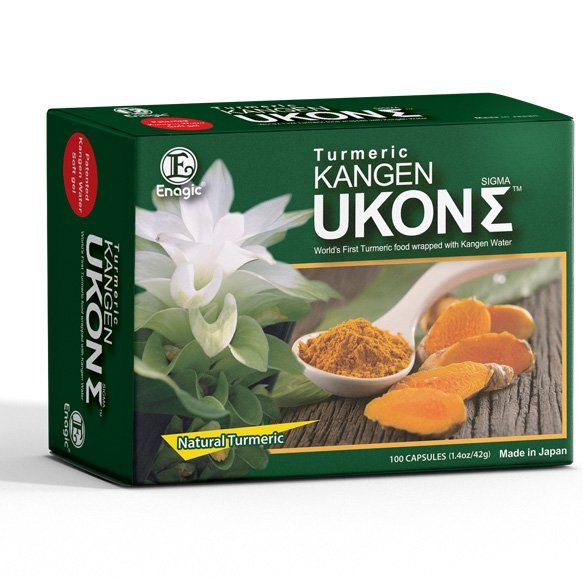
    Enagic Ukon from Okinawa

    The Bioavailability Problem (And How to Solve It)

    Here’s something critical about turmeric and curcumin bioavailability solutions: your body is actually terrible at absorbing curcumin on its own. Most of it just passes through your digestive system without ever getting into your bloodstream.

    This used to frustrate the hell out of me when I first learned about it. All these amazing benefits, but your body can’t actually use it? What’s the point?

    Fortunately, there are solutions:

    Black Pepper (Piperine) This is the most important one. Adding just a small amount of black pepper increases curcumin absorption by up to 2000%. That’s not a typo. Any supplement worth buying will include this.

    Healthy Fats Curcumin is fat-soluble, which means it absorbs much better when consumed with fats. That’s why I always take my supplement with breakfast (which includes eggs and avocado) and why golden milk works so well—the milk provides the fat needed for absorption.

    Heat Heating turmeric makes the curcumin more bioavailable, which is why cooking with it and making turmeric tea are both effective methods.

    Liposomal or Nanoparticle Formulations Some newer supplements use fancy technology to wrap the curcumin in tiny fat particles that dramatically increase absorption. These are more expensive but can be worth it if you’re dealing with serious inflammation issues.

    Turmeric for Specific Situations

    Let me get specific about how turmeric helps in different scenarios, because I’ve tried it for all of these:

    Turmeric and Curcumin for Athletes

    This deserves its own section. If you’re active and pushing your body regularly, turmeric curcumin benefits for athletes are substantial. The anti-inflammatory properties help with post-workout recovery, reduce muscle soreness, and may even help prevent exercise-induced oxidative stress.

    I’ve noticed that my recovery time between hard workouts has shortened significantly since I started taking turmeric consistently. That lingering soreness that used to stick around for days? Now it’s more like 24-36 hours of mild discomfort.

    For my fellow athletes, this is the formula I use—it’s specifically designed for recovery and includes additional ingredients that support muscle health.

    Turmeric and Curcumin for Weight Loss

    I’m hesitant to oversell this, but there is some interesting research on turmeric and curcumin for weight loss. It seems to help regulate metabolism and may help reduce inflammation in fat tissue, which can contribute to metabolic issues.

    I haven’t used it specifically for weight loss, but I’ve noticed that combined with healthy eating and regular exercise, I seem to maintain my weight more easily. It might help with appetite regulation too, though I can’t say that definitively.

    Turmeric and Curcumin for Skin Health

    Beyond just taking it internally, turmeric and curcumin for skin health can be approached topically too. I’ve experimented with DIY turmeric face masks (fair warning: they can temporarily stain your skin yellow), and the results were impressive—reduced redness and brighter skin.

    Now I use commercial turmeric-infused skincare products that don’t stain, and the combination of internal supplements plus topical products has genuinely improved my skin texture and tone.

    Curcumin Effect on Mental Health

    This is more personal and subjective, but I want to mention it because the curcumin effect on mental health is something I’ve experienced. I’ve dealt with mild anxiety for years, and I can’t say turmeric cured it, but I do think it’s helped take the edge off.

    Some research suggests curcumin may help support healthy mood and stress response. For me, it’s been one piece of a larger puzzle that includes therapy, exercise, and good sleep habits. But it feels like a valuable piece.

    Turmeric for Improved Gut Health

    I touched on digestion earlier, but turmeric for improved gut health goes beyond just reducing bloating. It seems to support the growth of beneficial gut bacteria and may help maintain a healthy gut lining. My digestive system just works better now—more regular, less discomfort, better nutrient absorption.

    Finding the Best Turmeric Supplements for 2026

    With so many options out there, how do you choose? Here’s what I look for when comparing turmeric brands:

    Curcumin Concentration Look for supplements standardized to 95% curcuminoids. This ensures you’re getting a consistent, potent dose.

    Black Pepper Extract Non-negotiable. If it doesn’t have piperine, skip it.

    Third-Party Testing Make sure it’s been tested for purity and potency by an independent lab. You want to know you’re actually getting what the label claims.

    Organic and Non-GMO Not essential, but I prefer knowing my supplements are as clean as possible.

    Good Manufacturing Practices (GMP) Certified This ensures the facility meets quality standards.

    After trying probably a dozen different brands over the past year, I’ve settled on a few favorites:

    For daily supplementation, this is my go-to—excellent quality, great price, includes everything you need for maximum absorption.

    For cooking, I buy this organic turmeric powder—vibrant color, fresh taste, and certified organic.

    And for tea, this is the blend I love—perfect balance of turmeric with complementary herbs and spices.

    Natural Anti-Inflammatory Solutions: The Bigger Picture

    While I’m clearly obsessed with turmeric, I want to emphasize that it’s just one part of my overall approach to health. Turmeric works best as part of a comprehensive strategy that includes:

    • Eating a diet rich in anti-inflammatory foods (lots of vegetables, healthy fats, omega-3s)
    • Regular movement and exercise
    • Quality sleep
    • Stress management
    • Staying hydrated

    Turmeric amplifies all of these efforts. It’s not magic—it’s a powerful tool that works synergistically with other healthy habits.

    I also rotate through other natural anti-inflammatory solutions like ginger, omega-3s, and green tea. Variety ensures I’m getting a broad spectrum of beneficial compounds.

    Alternative Remedies for Chronic Pain: Why Turmeric Stands Out

    Before I found turmeric, I tried plenty of other alternative remedies for chronic pain. Some helped a little, some did nothing, and some had side effects that made them not worth it.

    What makes turmeric different is:

    1. It actually works (for me and backed by research)
    2. It’s incredibly safe with virtually no side effects at normal doses
    3. It’s affordable compared to many other supplements and treatments
    4. It addresses root causes (inflammation) rather than just masking symptoms
    5. It has benefits beyond pain relief that improve overall health

    I’m not saying everyone should throw out their other treatments and only use turmeric. But for me, it’s become the foundation of my pain management strategy, with other things built around it as needed.

    The Future of Natural Supplements in Wellness

    Looking at trends in the wellness space, I think we’re going to see even more emphasis on compounds like curcumin that have solid research backing them up. The future of natural supplements in wellness is moving away from unproven snake oil and toward evidence-based natural compounds that actually work.

    Turmeric health trends 2025 show increasing interest in bioavailability-enhanced formulations and combination products that pair turmeric with other synergistic ingredients. I’m excited to see how the science and product development continue to evolve.

    My Final Thoughts: Why I’ll Never Stop Taking Turmeric

    If you’ve made it this far, you can probably tell I’m pretty passionate about this stuff. Turmeric has genuinely changed my quality of life. My joints feel better, my digestion works properly, my skin looks healthier, and my overall inflammation seems lower across the board.

    Is it a miracle cure? No. Does it work for everyone? Probably not—we’re all different. But the combination of traditional use, modern research, and my own personal experience has convinced me that turmeric deserves its superfood status.

    If you’re dealing with chronic inflammation, joint pain, digestive issues, or just want to support your overall health with something natural and well-researched, I genuinely encourage you to try turmeric for at least a month or two. Give it enough time to build up in your system and make a real difference.

    Start with a quality supplement that includes black pepper extract, take it consistently with food, and pay attention to how you feel. Keep notes if you want to track your progress. And be patient—this isn’t an overnight fix, but the long-term benefits are absolutely worth it.

    Ready to try it? Here’s the supplement that started my journey—same one I take every single day.

    Your joints, your gut, your skin, and your overall health will thank you. At least, mine certainly have.


    Disclaimer: I’m not a doctor, and this isn’t medical advice. These are my personal experiences and research. Always consult with your healthcare provider before starting any new supplement, especially if you have existing health conditions or take medications. Turmeric can interact with blood thinners and some other medications.